Buying guide
Bass starter kits: what a beginner pack includes and what to check
A starter pack puts a bass, a small amp and the basic accessories in one box. Here is what is usually inside, when a pack makes sense, and which parts beginners replace first.
Published
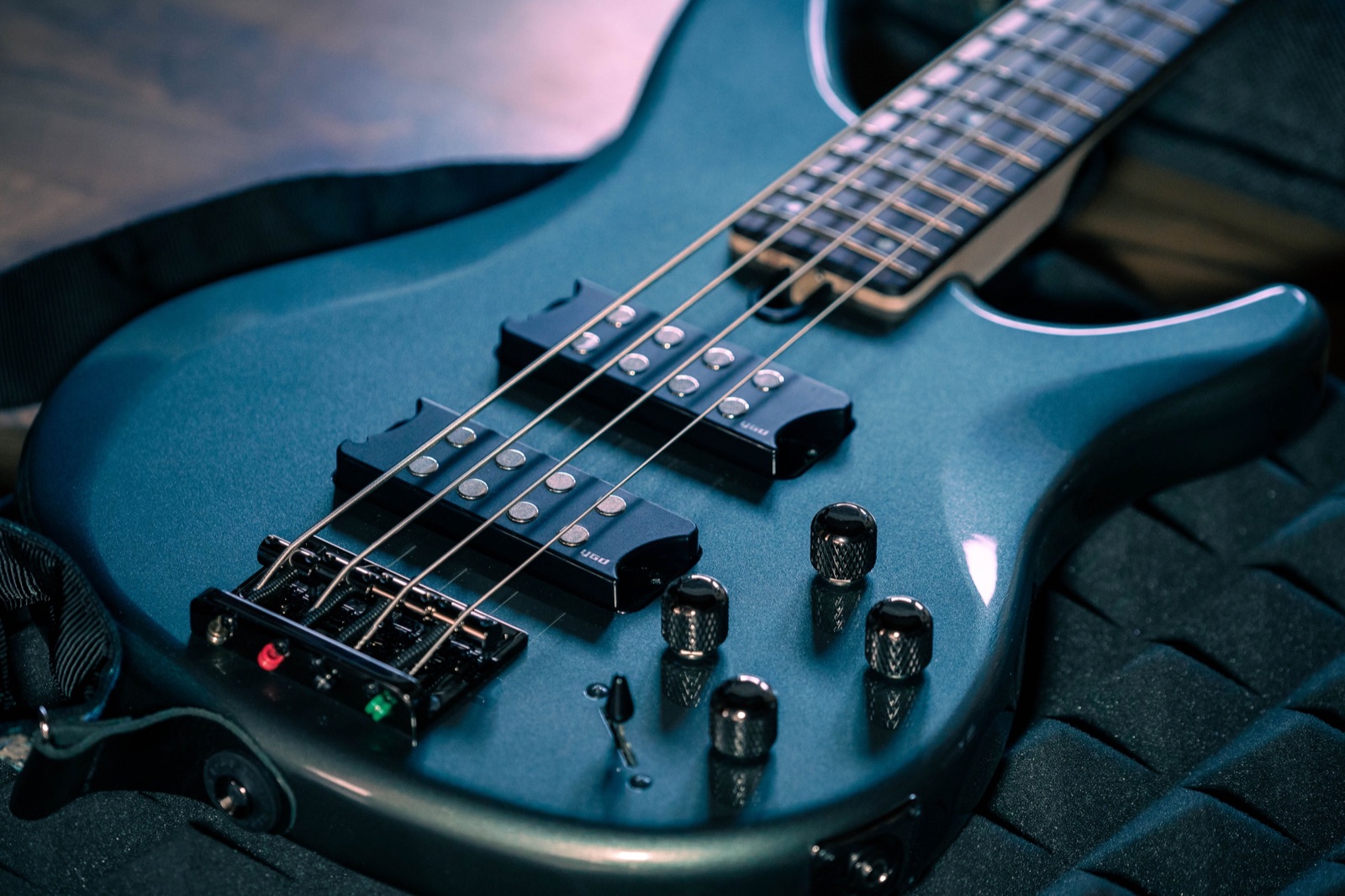
Bass starter kits put everything a beginner needs to start playing in one box: an electric bass, a small amp, a cable, a strap and usually a bag. The appeal is simple: one purchase, nothing missing, and you can plug in on day one. This guide explains what a starter bass pack usually contains, how it compares with buying the parts separately, what to check before you buy one, and which parts beginners usually replace first. We have not tested any pack; where a specific pack is named, the facts come from its maker's own listing.
What you'll need
Essentials
-
Bass guitar
: usually a full-scale four-string with a 34-inch scale; check the nut width and weight. -
Bass amp or headphone amp
: an electric bass is very quiet unplugged; a pack amp should be a bass amp, not a guitar amp. -
Instrument cable
: connects the bass to the amp; check its length in the pack's contents list. -
Strap
: lets you practice standing and keeps the bass at the same height every time. -
Tuner
: some bundles include one; if yours doesn't, a tuner app or a clip-on is the first thing to add.
Optional
-
Gig bag
: included in many packs but not all; needed if you take the bass to lessons. -
Stand
: a bass left on a stand gets picked up more often than one in its bag. -
Picks
: optional for bass; some packs add a few.
What a bass starter pack includes
Most packs are built around the same four items: the bass, a practice amp, a cable and a strap. A gig bag is common but not universal, and some packs add picks, a tuner, a stand or an online lesson subscription.
The bass
Packs usually contain a solid-body four-string electric bass with a full 34-inch scale, often a Precision Bass or PJ design. That is the same kind of bass the beginner bass guide recommends for most people, so the instrument itself is usually a sensible choice. Fender lists the Squier Affinity Series Precision Bass PJ, the bass in one of its packs, with a poplar body, a 34-inch scale, a 1.625-inch nut and a 9.5-inch fingerboard radius.
The amp
The amp in a bass pack is a small practice combo or, in some packs, a headphone amp. Fender lists the Rumble 15, the amp in each of the Squier bass packs compared below, at 15 watts with an 8-inch speaker, a three-band EQ, a 1/8-inch aux input for playing along with recordings, a headphone output and a weight of about 16 lb. That is a typical spec for a home practice amp. The practice bass amp guide explains what these features do.
The accessories
The cable, strap and bag in a pack are usually basic versions. They work, but they are where pack makers save money. Fender's US listing for the Affinity PJ Pack, for example, includes a padded gig bag, a strap, a 10-foot cable and a three-month subscription to its Fender Play lessons.
Example: one maker's packs compared
Pack contents vary by pack and even by country. Fender's own listings show this clearly:
| Listing (Fender's site) | Bass | Amp | Included accessories |
|---|---|---|---|
| Affinity Series Precision Bass PJ Pack (US) | Affinity Precision Bass PJ | Rumble 15 | Padded gig bag, strap, 10' cable, three-month Fender Play subscription |
| Sonic Precision Bass Rumble Bundle (US) | Sonic Precision Bass | Rumble 15 | Adjustable stand, strap, 10' cable, tuner |
| Squier Sonic Precision Bass Bundle (UK) | Sonic Precision Bass | Rumble 15 | Adjustable stand, strap, Professional Series cable, 12 picks |
Before you buy, read the contents list for the exact pack and region you are looking at. "Squier bass starter kit" and "Fender bass starter kit" can mean any of these.

Starter pack vs buying separately
| Starter pack | Buying separately | |
|---|---|---|
| Effort | One purchase, everything matches | You choose and order each part |
| Cost | One bundle price; compare it with the parts bought separately | Depends on what you choose, and less if you buy used |
| Choice of bass | Limited to the pack's models and colors | Any bass you like, new or used |
| Amp | A small combo chosen for you | Combo, headphone amp or modeling amp, your choice |
| Accessories | Basic versions | Better strap, bag or tuner if you want them |
| Risk | Low: a known maker's bundle | Higher chance of a missing part or mismatch |
When a pack makes sense
- You are buying a first bass, for yourself or as a gift, and need everything at once.
- The pack's bass is one you would happily buy on its own.
- You will practice at home, where a small combo is enough.
When buying separately is better
- You already own some of the gear: a cable, a guitar strap, a tuner, or headphones for a headphone amp.
- You want a short-scale bass for smaller hands; most packs contain full-scale basses. See the short-scale bass guide.
- You live in an apartment and would rather start with headphones than a speaker.
- You are left-handed and the pack isn't sold in a left-handed version; the left-handed bass guide helps there.
What to check before buying a bass starter kit
The bass first
Judge the pack by its bass. Check the scale length, the nut width, the weight and the pickups on the maker's page, as you would for any cheap bass. If you can, hold one in a store: a neck that feels too wide or a body that feels too heavy matters more than any accessory.
That the amp is a bass amp
A pack sold as a bass pack should contain a bass amp. Guitar amp speakers usually aren't built for the lowest bass notes and can be strained at volume, so a guitar amp is a poor substitute. Look for "bass" in the amp's name or description.
The exact contents
Check whether the pack includes a gig bag, a tuner, picks or a stand, and which cable length. These differ between packs and between countries, as the table above shows.
Returns and warranty
Buy from a seller who accepts returns, and register the bass and amp with the maker if it offers a warranty. A new instrument can arrive with a problem that only shows when you play it, such as a buzzing fret or a crackling control.
What usually needs upgrading first
Pack gear works, but some parts are worth improving sooner than others. In rough order:
A setup
Any new bass, in a pack or not, can play better after a basic setup: neck relief, string height and intonation. High action makes a beginner's fingers hurt and the bass harder to play in tune. A technician can do it, or you can learn with the bass setup guide.
A tuner
If the pack has no tuner, add one before anything else: a bass out of tune makes everything you practice sound wrong. The bass tuner guide compares clip-on, pedal and app tuners, and the tuning guide explains how to use one.
Strings
Factory strings on any bass may have sat in a box for months. When they sound dull or feel rough, a new set is the cheapest tone upgrade there is; the string change guide walks through it.
Strap, cable and bag
Replace these only when they let you down: a strap that digs into your shoulder, a cable that crackles when you move it, or a gig bag too thin to protect the bass on the way to lessons. See the guides to straps, cables and gig bags.
The amp, last
A 15-watt practice amp is fine at home for a long time. You will need a bigger amp only when you start playing with a drummer; the guide to how many watts a bass amp needs explains how much is enough. Keep the volume sensible: long sessions at high volume can damage hearing. If your ears ring after practice, turn down, and see a doctor if it doesn't pass.
Looking after a starter bass
- Keep the bass in its bag or on a stand, away from radiators and direct sun.
- Wipe the strings after playing to slow corrosion.
- Check the tuning every time you pick it up; new strings stretch for the first few days.
- Learn the basics on the right instrument: the how to play bass guide is a good place to start once the pack is unboxed.
Questions
What comes in a bass starter kit?
Usually a four-string electric bass, a small bass practice amp, an instrument cable and a strap; many packs add a gig bag, and some add a tuner, picks or a stand. Contents vary by pack and by region, so check the listing before you buy.
Is a bass starter pack worth it?
It can be, if you need everything at once and the pack's bass is one you would choose on its own. Buying separately takes more effort but lets you choose the amp, tuner and bag yourself, or start with a headphone amp instead.
What is in the Squier bass starter kit?
Fender's US listing for the Squier Affinity Series Precision Bass PJ Pack includes the bass, a Rumble 15 bass amp, a padded gig bag, a strap, a 10-foot cable and a three-month Fender Play subscription. Other Squier bundles differ: Fender's UK Sonic Precision Bass Bundle has a stand and picks instead of a gig bag.
Can a starter pack amp be used with a band?
Usually not. A 15-watt practice amp with an 8-inch speaker is made for home practice and is not loud enough to keep up with a drummer; for rehearsals you will need a larger bass amp.
What should I upgrade first in a bass starter kit?
A professional setup comes first, because it makes the bass easier to play at no extra cost in parts. After that, a tuner if the pack lacks one, then fresh strings, and a better strap or bag only if the included ones are uncomfortable or thin.
Sources
- Fender — Squier Affinity Series Precision Bass PJ Pack (US)
- Fender UK — Squier Sonic Precision Bass Bundle
- Fender — Sonic Precision Bass Rumble Bundle (US)
- Fender — Squier Affinity Series Precision Bass PJ
- zZounds — Squier Affinity Precision Bass PJ specifications
- Fender — Rumble 15 bass amplifier
- Equipboard — Fender Rumble 15 V3 specifications
Read next
Buying guide
Beginner bass guitar: how to choose your first bass
The types of first bass, the few specifications that change how one feels in your hands, and how to match them to your body, your music and your budget.
Buying guide in Amps & effects
Bass practice amp: small combos, headphone amps and how much power home playing needs
A small combo, a headphone amp or a modeling amp: what each does at home, how much power quiet practice needs, and the jacks that matter.
Buying guide
Squier basses: the series, the models and what changes between them
Squier makes Fender's classic bass designs at lower prices. Here is how its series differ, from the Sonic and Affinity to the Classic Vibe, and which suits whom.