Buying guide
Squier basses: the series, the models and what changes between them
Squier makes Fender's classic bass designs at lower prices. Here is how its series differ, from the Sonic and Affinity to the Classic Vibe, and which suits whom.
Published
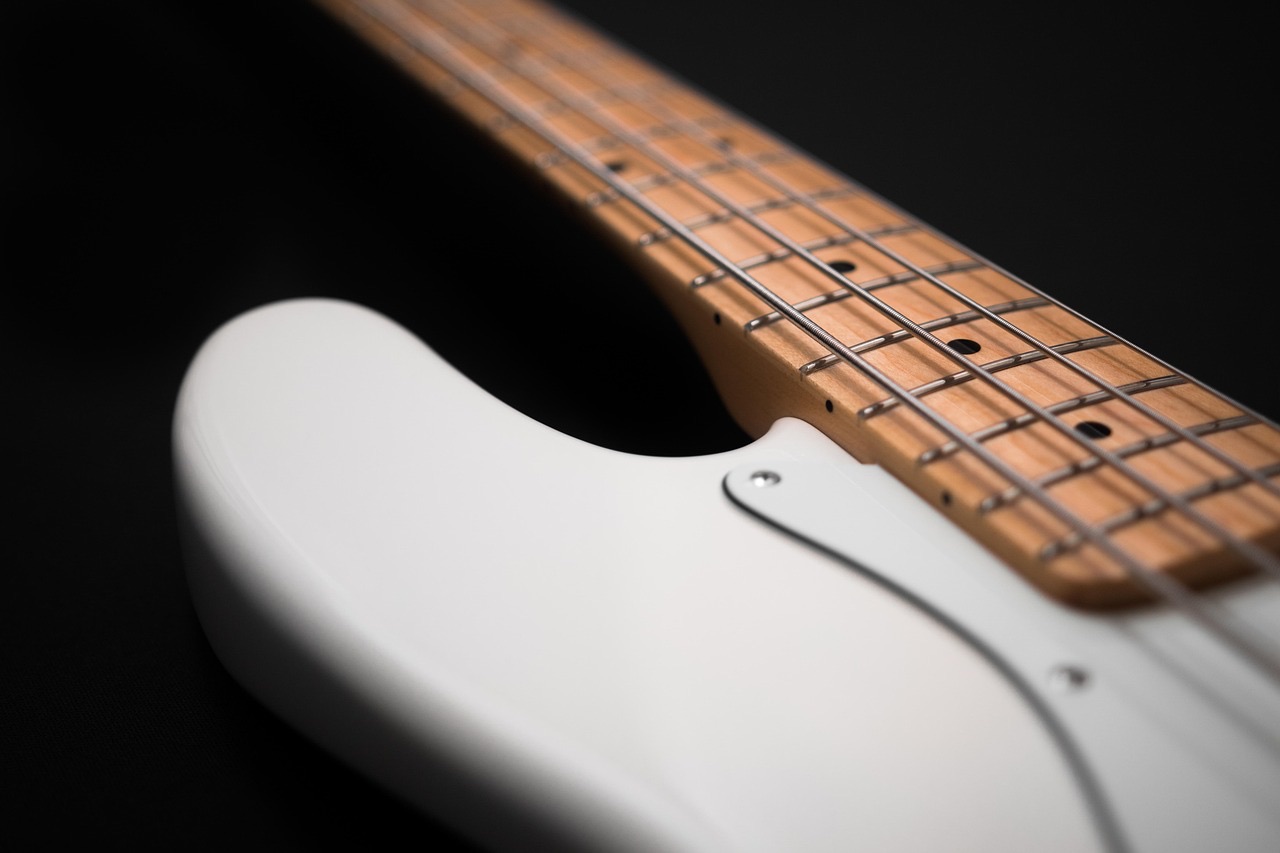
A Squier bass is the most common way into Fender's classic designs without paying Fender prices. Squier is Fender's own lower-priced brand, and its basses are sold on fender.com next to the Fender models they are based on. This guide explains the Squier bass series, the models in each, and the specs that actually change between them (body wood, pickups, nut width and scale length), so you can choose the right line for your hands and budget.
What a Squier bass is
Squier basses use the same body shapes and layouts as Fender's: the Precision Bass, the Jazz Bass, and short-scale designs such as the Mustang and Bronco. What differs is how they are built: the body wood, the pickups, the hardware and the finish.
Where the name comes from on Fender basses
Fender's own history of the Precision Bass notes that in the early 1980s, Fender Japan built Vintage Series reissues, including '57 and '62 Precision Basses, and that these were soon introduced into the European market under the Squier name. Since then Squier has grown into Fender's main lower-priced range.
Fender Squier bass vs Fender bass
People search for "Fender Squier bass" because Squier basses carry Fender's model names and are sold by Fender. In practice:
- Squier basses use woods such as poplar and nyatoh, Squier-made or Fender-designed pickups, and simpler hardware.
- Fender basses carry Fender pickups, and the Player II and American series list woods such as alder or ash.
For example, the Squier Affinity Precision Bass PJ and the Classic Vibe '60s Precision Bass both list poplar bodies, while the Fender Player II Precision Bass lists alder. Wood alone does not separate the brands, though: Fender's own Standard Precision Bass also lists poplar.
Squier bass series compared
Fender's Squier bass collection groups the range into a few series. The ones below had basses listed on fender.com at the time of writing.
| Series | Character | Example bass models | Price tier |
|---|---|---|---|
| Squier Sonic | Entry-level, thin and light | Sonic Precision Bass, Sonic Bronco Bass | Lowest |
| Affinity Series | Entry-level, wider range of models | Precision Bass PJ, Jazz Bass, Jazz Bass V, Active Jazz Bass, Jaguar Bass H | Low |
| Classic Vibe | Vintage-styled by decade | '50s, '60s and '70s Precision Bass; '60s and '70s Jazz Bass; '60s Jazz Bass Fretless; '60s Mustang Bass; Jaguar Bass; Telecaster Bass; Bass VI | Middle |
| Paranormal | Mixes of classic designs | Precision Bass Thinline SJ | Middle |
| Mini | Reduced size | Mini Precision Bass | Lowest |
Squier Sonic
Sonic is the starting line. The Sonic Precision Bass has a thin, lightweight poplar body, a Squier split single-coil pickup and a narrow 1.5-inch nut, slimmer than the 1.625 inches most P basses have. The Sonic Bronco Bass is a short-scale model: 30-inch scale, 1.5-inch nut and one Squier single-coil pickup.
Squier Affinity Series
Affinity sits just above Sonic and has more models, including the Affinity PJ. Squier lists the Affinity Series Precision Bass PJ with a poplar body, a 34-inch scale, a 1.625-inch nut and a ceramic split single-coil pickup, plus a Jazz-style bridge pickup. The Affinity Jazz Bass V brings five strings at this level: a thin and lightweight body, a "C"-shaped neck with a 1.875-inch nut and two Squier single-coil J pickups.
Affinity also sells the Precision Bass PJ as a pack with accessories for beginners. Note that a plain Squier Affinity P bass with a single split-coil pickup was not listed at the time of writing, only the PJ; if you want the one-pickup P sound in Squier, the Sonic and Classic Vibe Precision Basses have it.
Squier Classic Vibe
Classic Vibe models are each styled after a decade, and Squier lists Fender-designed alnico pickups on them. The Classic Vibe '60s Precision Bass has a 9.5-inch-radius fingerboard, narrow-tall frets and a 1.685-inch nut, wider than most P basses. The Classic Vibe '70s Jazz Bass keeps the usual Jazz Bass 1.5-inch nut.
This series also holds the less common Squier basses: a fretless '60s Jazz Bass with fret lines on an Indian laurel fingerboard, a 30-inch-scale '60s Mustang Bass, the Bass VI and active '70s Jazz Basses in four- and five-string versions.
Squier Paranormal
Paranormal models combine features from different Fender designs. The Paranormal Precision Bass Thinline SJ, for example, has a nyatoh body and a 34-inch scale, with a single-coil P pickup at the neck and a Jazz Bass pickup at the bridge.

What to look at in a Squier bass
Scale length
Most Squier basses have the standard 34-inch scale. The exceptions are deliberate: the Jaguar Basses (Affinity Jaguar Bass H and Classic Vibe Jaguar Bass) have 32-inch scales, the Bronco and the Classic Vibe Mustang have 30-inch scales, and the Mini Precision Bass has a 28.6-inch scale. Shorter scales put the frets closer together, which some players with smaller hands, and many younger players, find easier.
Nut width
This is the spec that changes most between Squier P basses:
| Model | Nut width |
|---|---|
| Squier Sonic Precision Bass | 1.5 in (38.1 mm) |
| Affinity Series Precision Bass PJ | 1.625 in (41.3 mm) |
| Classic Vibe '60s Precision Bass | 1.685 in (42.8 mm) |
| Classic Vibe '70s Jazz Bass | 1.5 in (38.1 mm) |
| Affinity Series Jazz Bass V | 1.875 in (47.6 mm) |
If your hands are small, the narrower necks are worth trying first.
Pickups
Sonic and Affinity models use Squier-made pickups (the Affinity PJ's are ceramic). Classic Vibe models use Fender-designed alnico pickups. Alnico and ceramic are magnet types; they are one part of a bass's sound among many, alongside strings, pickup position and your hands.
Body wood and weight
Squier lists poplar on most of its basses and nyatoh on some, such as the Classic Vibe '60s Mustang Bass, the Classic Vibe Jaguar Bass and the Paranormal Thinline. Sonic and Affinity models are described as thin and lightweight, which helps if you play standing for long periods.
Which Squier bass suits whom
- Absolute beginner, smallest budget: Squier Sonic Precision Bass, with its slim 1.5-inch nut.
- Beginner who wants more tones: Affinity Series Precision Bass PJ.
- Small hands or young players: Sonic Bronco (30-inch scale) or Mini Precision Bass (28.6-inch scale).
- Player who wants a vintage look and feel: a Classic Vibe Precision or Jazz Bass of the decade you like.
- Curious about five strings: Affinity Series Jazz Bass V or Classic Vibe '70s Jazz Bass V; see the five-string bass guide.
- Curious about fretless: Classic Vibe '60s Jazz Bass Fretless, which has fret lines to guide your fingers; see the fretless bass guide.
Setting up and looking after a Squier bass
After you buy
First checks
Whatever the price, check a new bass when it arrives:
- Tuning stability: stretch new strings gently and retune a few times.
- Neck relief: the slight forward bow of the neck. Adjust with small truss rod turns, let the neck settle, and check again; check your bass's manual for the direction and size of turns.
- String height (action): raise or lower the bridge saddles until the strings do not buzz when you play normally.
- Intonation: the note at the 12th fret should match the open string an octave up; adjust saddle position if not.
If you are not comfortable with these steps, a technician's setup is worth it. The bass setup guide explains each adjustment.
Upgrades
Common later changes on Squier basses are new strings, then pickups and tuners. Start with strings; they change the sound and feel more than anything else for the money.
What to check next
To understand the designs behind the Squier models, read the Precision Bass guide and the Jazz Bass guide. For amps and accessories to go with a first bass, see the practice amp guide and the bass strap guide.
Questions
Is Squier made by Fender?
Yes. Squier is Fender's lower-priced brand, and Squier basses are sold on fender.com alongside Fender models. They use the same classic designs, such as the Precision and Jazz Bass, with different materials, pickups and hardware.
What is the difference between Squier Affinity and Classic Vibe basses?
Affinity is the lower-priced line with thin, light bodies and Squier-made pickups. Classic Vibe models are styled after specific decades and use Fender-designed alnico pickups; several also list vintage-tint necks and nickel-plated hardware.
Which Squier bass suits a beginner?
A Squier Precision Bass or PJ bass from the Sonic or Affinity series is the usual starting point: full 34-inch scale, few controls, low price. If a full-size bass feels too big, the 30-inch-scale Sonic Bronco or the 28.6-inch-scale Mini Precision Bass are alternatives.
What is a Squier Affinity PJ bass?
It is a Precision Bass with an extra Jazz Bass pickup at the bridge. Squier lists the Affinity Series Precision Bass PJ with a poplar body, a 34-inch scale, a 1.625-inch nut and a ceramic split single-coil pickup.
Do Squier basses need a setup?
Any new bass, at any price, can play better after a basic setup of neck relief, string height and intonation. It is a small cost compared with the difference it makes.
Sources
- Fender — Squier electric basses collection
- Fender — Legendary lows: the Precision Bass story (origin of the Squier name on Fender instruments)
- Squier — Squier Sonic Precision Bass
- Squier — Squier Sonic Bronco Bass
- Squier — Affinity Series Precision Bass PJ
- Squier — Affinity Series Jazz Bass V
- Squier — Classic Vibe '60s Precision Bass
- Squier — Classic Vibe '70s Jazz Bass
- Squier — Classic Vibe '60s Jazz Bass Fretless
- Squier — Classic Vibe '60s Mustang Bass
- Squier — Paranormal Precision Bass Thinline SJ
- Squier — Mini Precision Bass
- Squier — Classic Vibe Jaguar Bass
- Squier — Affinity Series Jaguar Bass H
- Squier — Classic Vibe Telecaster Bass
- Fender — Standard Precision Bass
- Fender — Player II Precision Bass
Read next
Guide
Fender Precision Bass: what a P bass is, how it sounds and who it suits
One pickup, two knobs and a 34-inch neck: why the P bass became the default electric bass, and how to choose between the versions sold today.
Guide
Fender Jazz Bass: two pickups, a slim neck and a growling tone
Two single-coil pickups and a slim neck: what sets the J bass apart from the Precision, how to dial in its sound, and what changes on a five-string Jazz.
Buying guide
5 string bass: what the low B adds and how to choose one
A fifth string extends the bass downward to a low B. Here is what that changes in the neck, the sound and your playing, and how to compare five-string basses.