Buying guide
Yamaha bass guide: the TRBX and BB series and what changes between models
Yamaha's current basses come in two main families, the modern TRBX and the classic BB. Here is how the models differ and where each fits.
Published
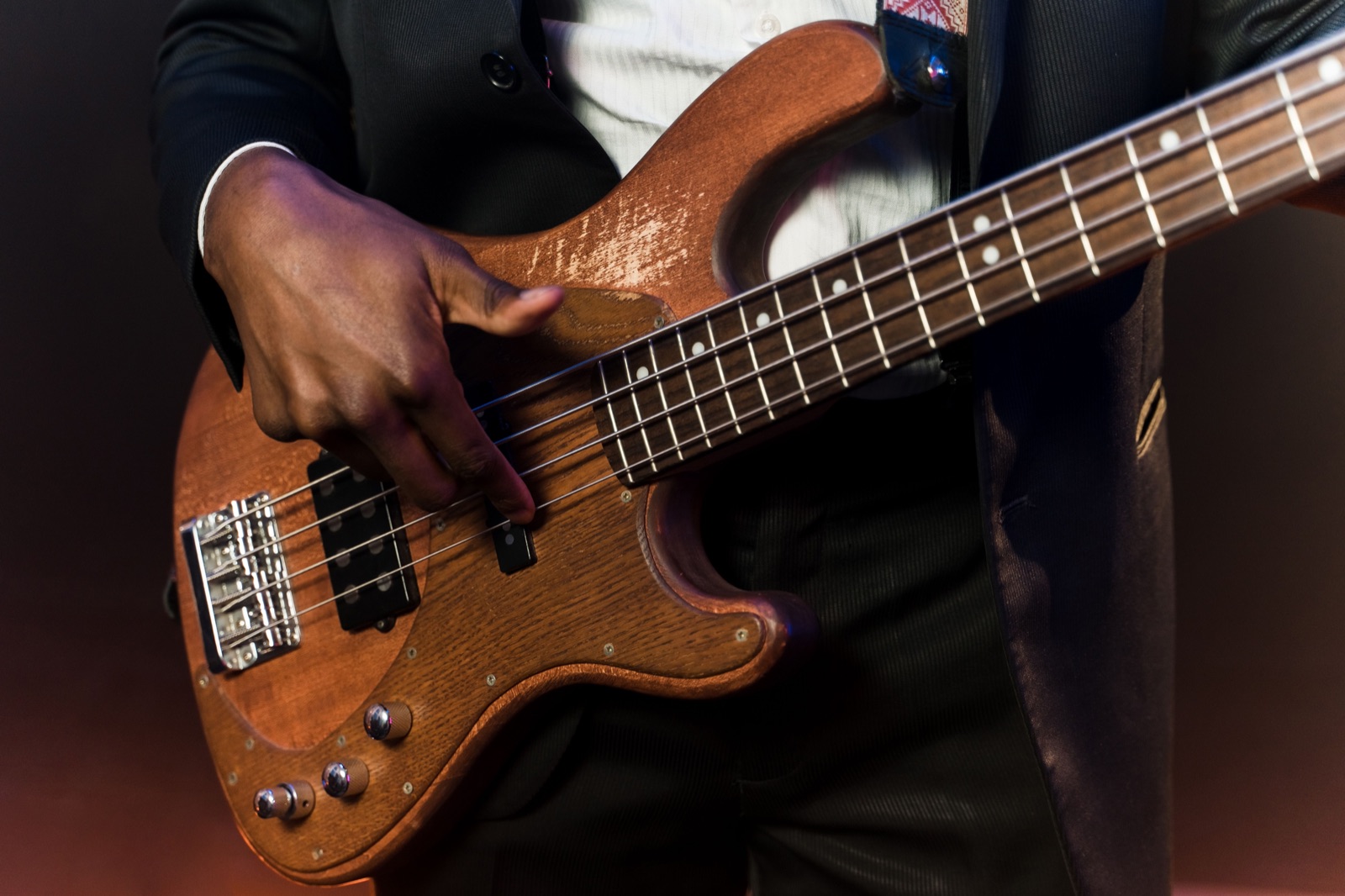
A Yamaha bass is a common first instrument and a common working one. Yamaha's current electric bass range in the US comes in two main families: the TRBX, a modern design with 24 frets and active electronics on most models, and the BB, Yamaha's classic bass, introduced in 1977. This guide explains each Yamaha bass series, the specs that change between models (pickups, electronics, nut width, body wood) and which one suits which player. Every spec comes from Yamaha's own pages; check the page for your country, as lineups differ.
The Yamaha bass range at a glance
At the time of writing, Yamaha USA lists the BB Series and TRBX as its electric bass lines, plus signature models (Attitude Limited 3, Attitude 30th, BBNE2, BBPH and TRBJP2). In model names the last digit gives the string count: TRBX304 has four strings, TRBX305 five.
| Model | Family | Pickups | Electronics | Nut width (4-string) |
|---|---|---|---|---|
| TRBX174 / 174EW | TRBX | Split single-coil + single-coil, ceramic | Passive: two volumes, tone | 40 mm |
| TRBX204 | TRBX | — | 2-band active EQ | — |
| TRBX304 / 305 | TRBX | Two double-coil, ceramic (M3) | 2-band active EQ + 5-way Performance EQ | 38 mm |
| TRBX504 / 505 | TRBX | Two double-coil, alnico V (H5) | Active/passive, 3-band EQ | 38 mm |
| TRBX604FM / 605FM | TRBX | Two double-coil, alnico V (H5) | Active/passive, 3-band EQ | 38 mm |
| BB234 / 235 | BB | Split single-coil + single-coil, ceramic (V3) | Passive: two volumes, tone | 40 mm |
| BB434 / 434M / 435 | BB | Split single-coil + single-coil, alnico V (V5) | Passive | 40 mm |
| BB734A / 735A | BB | Split single-coil + single-coil, alnico V (V7) | Active/passive, 3-band EQ | 40 mm |
| BBP34 / BBP35 (BB Pro) | BB | Split single-coil + single-coil, alnico V (V7) | Passive | 40 mm |
Yamaha lists a 34-inch scale on every TRBX and BB model. Five-string versions have a 43 mm nut. A dash means the spec sheet did not give the figure for that model.
Yamaha TRBX basses
Yamaha describes the TRBX as combining advanced design with a focus on comfort, tone and durability. Every TRBX on Yamaha's spec sheet has a bolt-on neck, 24 frets and a rosewood fingerboard.
TRBX174 and TRBX174EW
The Yamaha TRBX174 is the entry point; Yamaha calls it a price breakthrough for the TRBX range. Yamaha lists:
- a mahogany body and a maple neck, 24 frets
- a 40 mm nut and 19 mm string spacing
- a split single-coil pickup at the neck and a single-coil at the bridge, both ceramic, like the P and J pickup pair on many basses
- a volume for each pickup and a master tone, all passive
- .045–.105 strings
The TRBX174EW has the same specs with a laminated exotic wood top and a matching headstock. The choice between them is mostly about looks.
TRBX300: active EQ with presets
The Yamaha TRBX304 moves to two hum-cancelling M3 pickups with ceramic magnets and an active circuit: a master volume, a pickup balance control, a two-band EQ (bass and treble) and a five-way Performance EQ switch with five preset EQ curves. Yamaha lists a solid mahogany body, a five-piece maple and mahogany neck and a slim 38 mm nut. Active means a battery-powered preamp, so keep a spare battery.
Between the TRBX174 and the 300 series sits the TRBX204, which Yamaha lists with a two-band active EQ.
TRBX500 and TRBX600
Both use Yamaha's H5 pickups with alnico magnets and an active/passive circuit: a three-band EQ when active, a switch to passive mode, and a battery alert LED on the back. The 500 series has a solid mahogany body; the 600 series has an alder and maple laminated body with a flamed maple top. On the five-string models Yamaha lists 18 mm string spacing, which it says suits slap and fingerstyle.

Yamaha BB basses
The BB is Yamaha's classic bass. Yamaha says it was introduced in 1977, and that the latest lineup has a smaller body, subtle contour changes and reduced weight. Every current BB model has 21 frets, a 34-inch scale and a split single-coil pickup at the neck with a single-coil at the bridge, the same layout as a P/J bass. Yamaha also notes that the latest models use standard-sized pickups for the first time in a BB, which makes replacements easier.
BB234 and BB235
The Yamaha BB234 is the introductory BB. Yamaha lists a solid alder body, a maple neck, a 40 mm nut, ceramic V3 pickups, a vintage-style bridge, passive controls (a volume for each pickup and a master tone) and .045–.105 strings. The BB235 is its five-string version.
BB434, BB734A and BB Pro
From the BB434 up, Yamaha uses a six-bolt "miter" neck joint, which it says improves stability and the transfer of vibration from neck to body, and a five-piece maple and mahogany neck. The bridges on these models are "convertible": you can string through the body or through the bridge. Yamaha recommends long-scale strings through the bridge and super-long-scale strings through the body.
- BB434 / BB435: solid alder body, alnico V pickups, passive. The BB434M has a maple fingerboard.
- BB734A / BB735A: alder/maple/alder body, alnico V pickups and an active/passive three-band EQ with a battery alert LED.
- BBP34 / BBP35 (BB Pro): made in Japan, with an alder/maple/alder body treated with Yamaha's I.R.A. process, passive controls and a hardshell case.
Yamaha TRB six-string and other models outside the US lineup
Yamaha's European site lists the TRB1004J, TRB1005J and TRB1006J: 35-inch scale, bone nut and a three-band EQ, with the six-string TRB1006J at a 50 mm nut and 17 mm string spacing. At the time of writing, they are not on Yamaha USA's bass pages. The six-string bass guide covers six-strings in general.
What to look at in a Yamaha bass
The specs that change most
Passive or active
The TRBX174, BB234 and BB434 are passive: no battery, simple controls. The TRBX204 and up and the BB734A are active. Passive is the simpler start; active gives you more tone shaping on the bass itself.
Neck width
TRBX300, 500 and 600 four-strings list 38 mm at the nut, the TRBX174 and all four-string BBs 40 mm. If your hands are small, the narrower TRBX necks are worth trying first.
Frets and range
TRBX models have 24 frets, BB models 21. Most bass parts sit well below the 21st fret, so this matters mainly if you play high melodic parts or solos.
Buying a used Yamaha bass
Yamaha USA's bass page links to archived products, and a used Yamaha may be an older or regional model that is not in the current lineup. Check the exact model and year, and check neck relief, frets and electronics as you would on any used bass.
Which Yamaha bass suits whom
- First bass: TRBX174 or BB234. Both are passive, with a P/J-style pickup pair. Compare them with other starters in the beginner bass guide.
- Classic P/J sound and look: a BB; the Precision Bass guide explains the split-coil sound it is built around.
- Modern sound with tone shaping: TRBX304, or a TRBX500 or 600 for active/passive switching.
- Five strings: TRBX305, BB235 or higher; see the five-string bass guide.
Setting up a Yamaha bass
Yamaha describes the TRBX's bolt-on neck joint as built for adjustability. After buying any Yamaha, check tuning stability, neck relief, string height and intonation; the bass setup guide explains each, and the truss rod guide covers relief in small, careful turns. If you string a BB through the body, buy strings long enough for that, as Yamaha recommends.
Questions
What is the difference between Yamaha TRBX and BB basses?
TRBX basses are modern designs with 24 frets and, from the TRBX204 up, active electronics. BB basses are Yamaha's classic line, dating from 1977, with 21 frets and a P-style and J-style pickup pair; most BB models are passive, and the BB734A and BB735A add an active three-band EQ.
Is the Yamaha TRBX174 a good beginner bass?
It has what a first bass needs: a full 34-inch scale, a 40 mm nut, split single-coil and single-coil pickups with simple volume and tone controls, and no battery to replace. Yamaha calls it a price breakthrough for the TRBX range.
What is the difference between the TRBX174 and the TRBX174EW?
Yamaha lists the same 34-inch scale, maple neck, pickups and controls on both. The TRBX174EW adds a laminated exotic wood top with a matching headstock.
Does Yamaha make a five-string bass?
Yes. Five-string versions end in 5: TRBX305, TRBX505 and TRBX605FM, and BB235, BB435, BB735A and BBP35. Yamaha lists 43 mm nuts on them.
Does Yamaha make left-handed or fretless basses?
At the time of writing, Yamaha USA's TRBX and BB pages list neither. If you find one used, it is an older or regional model, so check the exact model and year before you buy.
Sources
Read next
Buying guide
Beginner bass guitar: how to choose your first bass
The types of first bass, the few specifications that change how one feels in your hands, and how to match them to your body, your music and your budget.
Guide
Fender Precision Bass: what a P bass is, how it sounds and who it suits
One pickup, two knobs and a 34-inch neck: why the P bass became the default electric bass, and how to choose between the versions sold today.
Buying guide
5 string bass: what the low B adds and how to choose one
A fifth string extends the bass downward to a low B. Here is what that changes in the neck, the sound and your playing, and how to compare five-string basses.